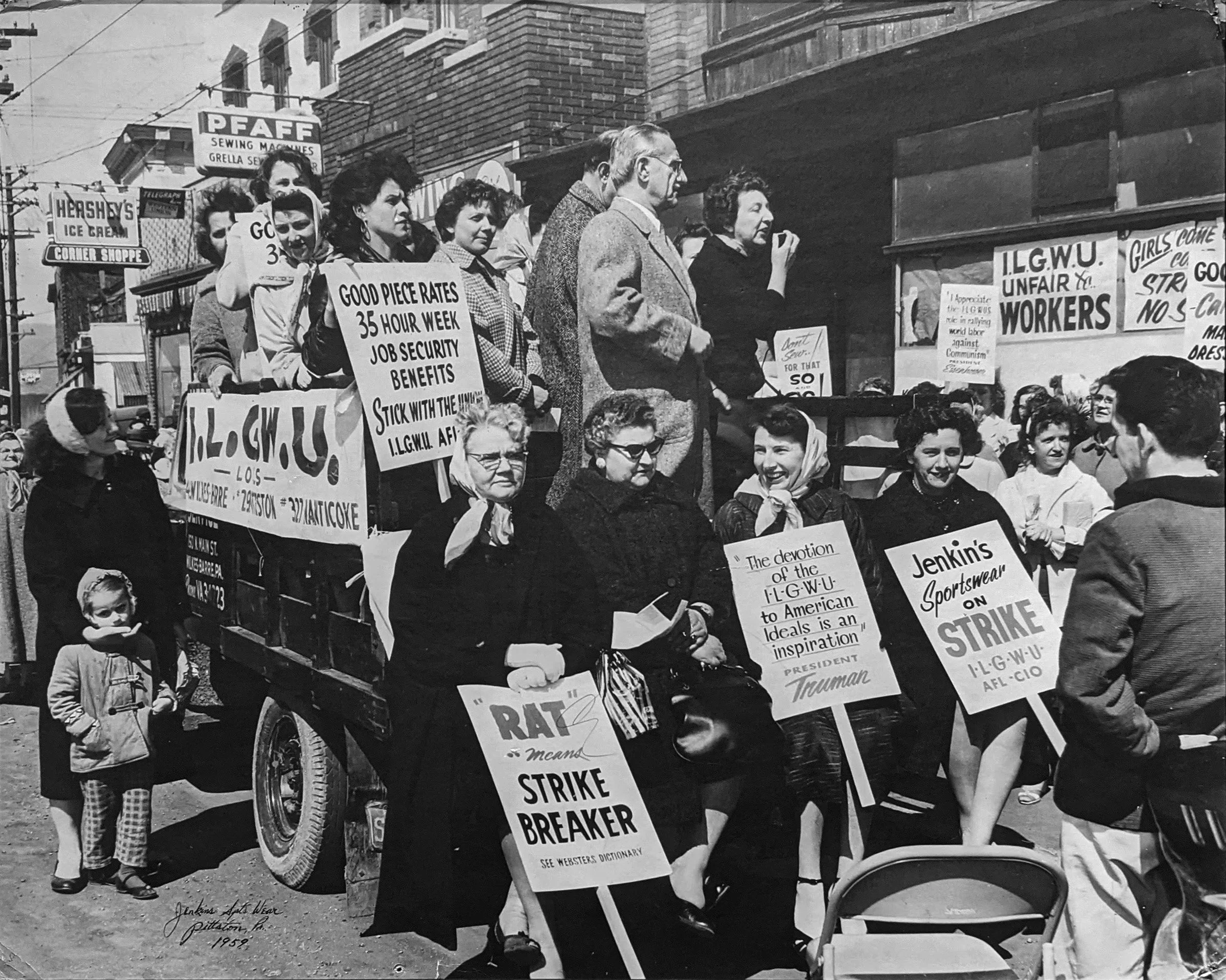
LINEAGES OF LABOR: WEAVING HISTORIES is a project that considers the history of industrialization and its continued repercussions, contextualizing the exploitation of workers by those in power as well as the missteps and systematic demonization of organized labor while celebrating our connection to textiles.
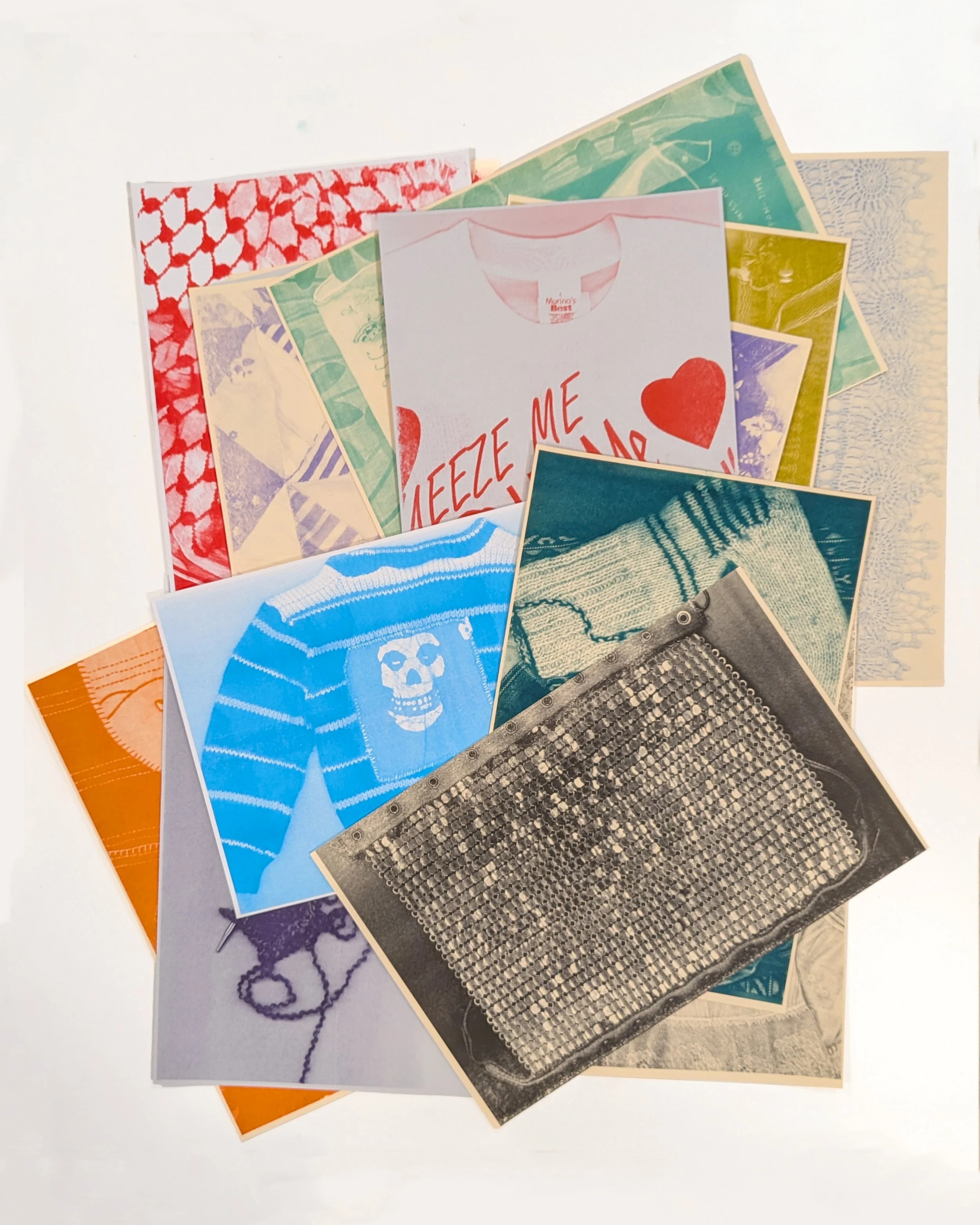
ARCHIVE
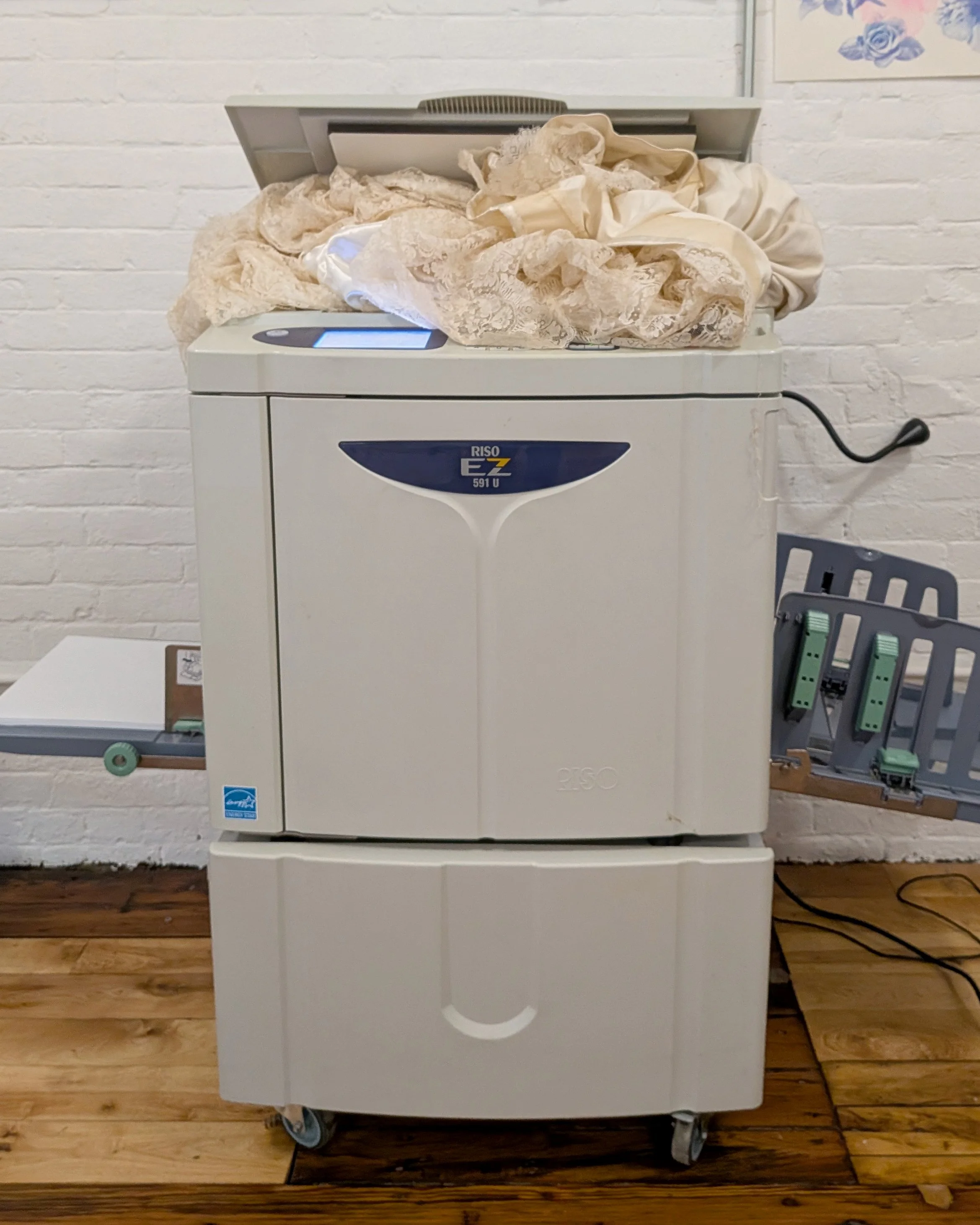
GATHERINGS
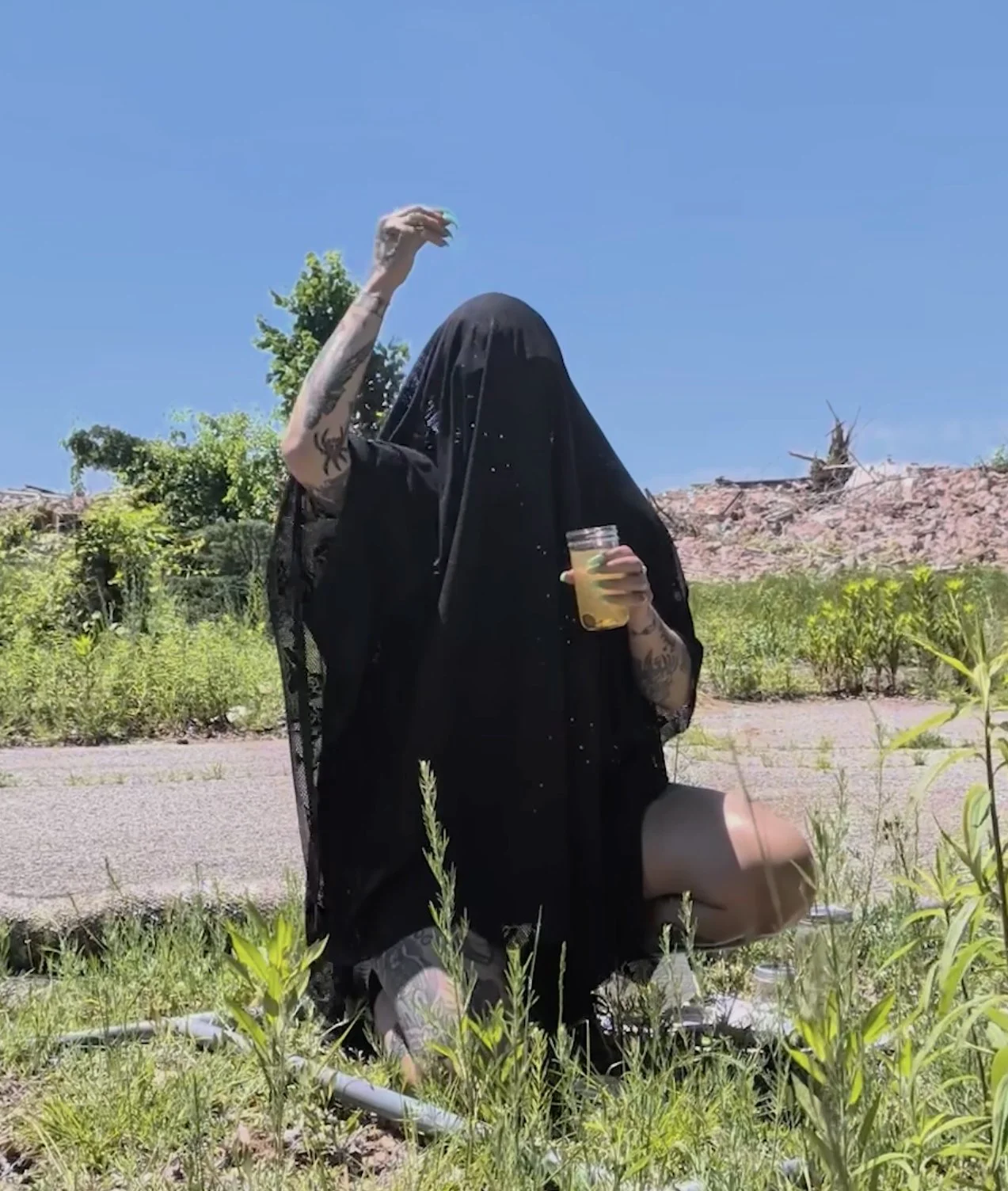
RITUALS
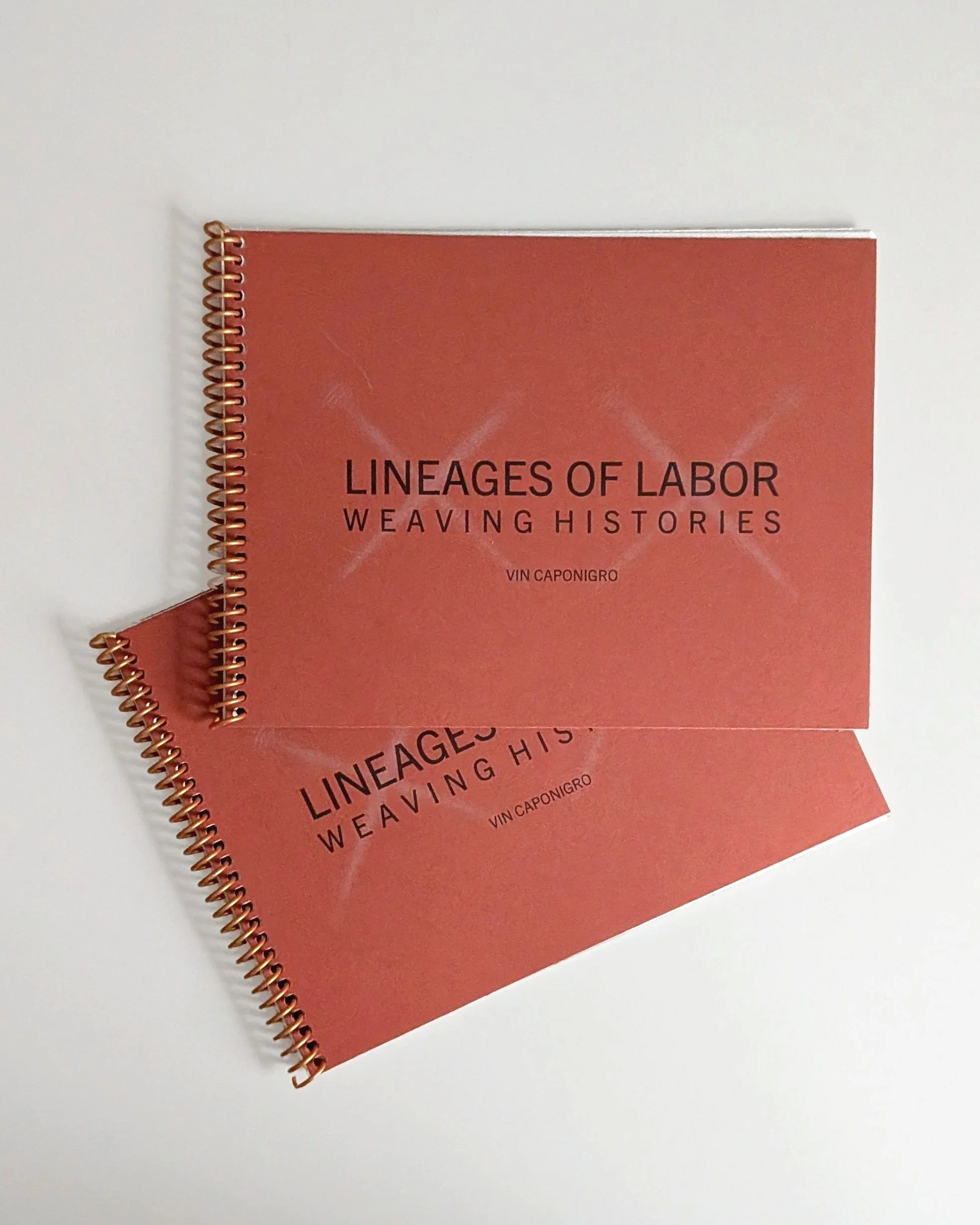
PUBLICATION
The first factory strike in the so-called United States was led by women workers, occurring at Slater Mill in Pawtucket, Rhode Island in 1824. After subsequent successful strikes and unionization efforts in New England led to increased wages and safety measures, textile producers intentionally built factories in Northeastern Pennsylvania to exploit the labor of women and children — many of whom were part of large families dependent on the uncertain and inadequate wages of men working in mines and quarries.
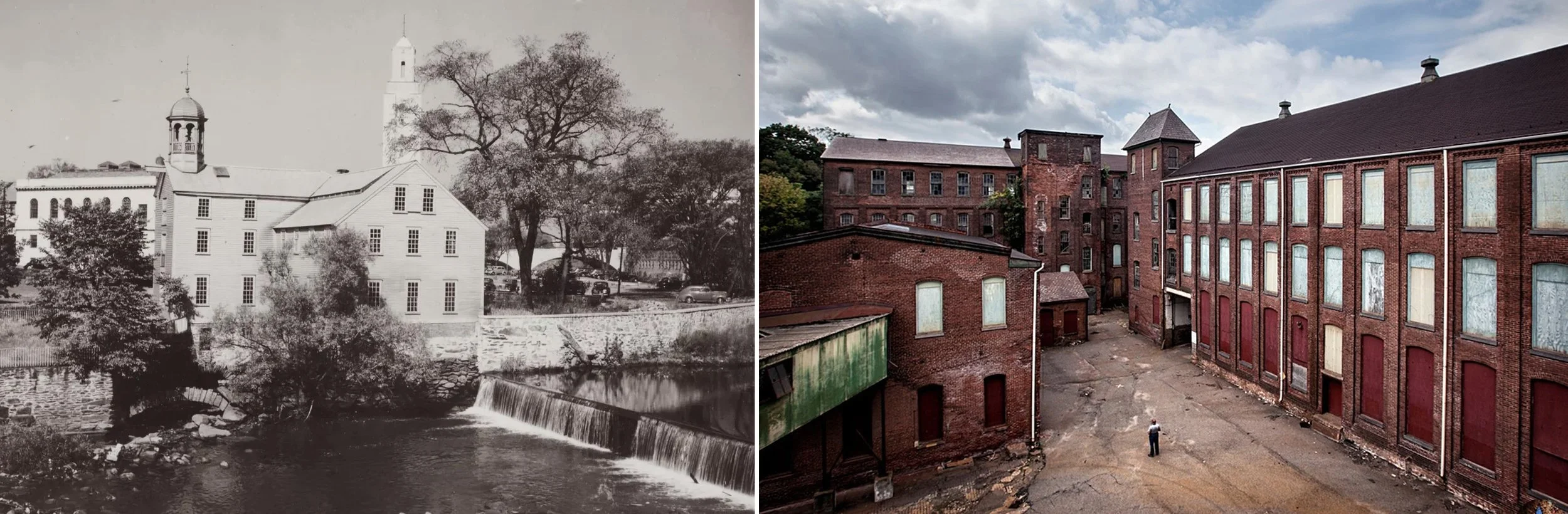
Slater Mill. Pawtucket RI, circa 1950. Simon Silk Mill, Easton PA.
The silk mill where my bisnonna worked is now luxury condos, and the textile factory where my nonna and my great aunts worked was torn down and replaced by a strip mall with a CVS and Dunkin Donuts – a situation familiar to many folks in the north east.
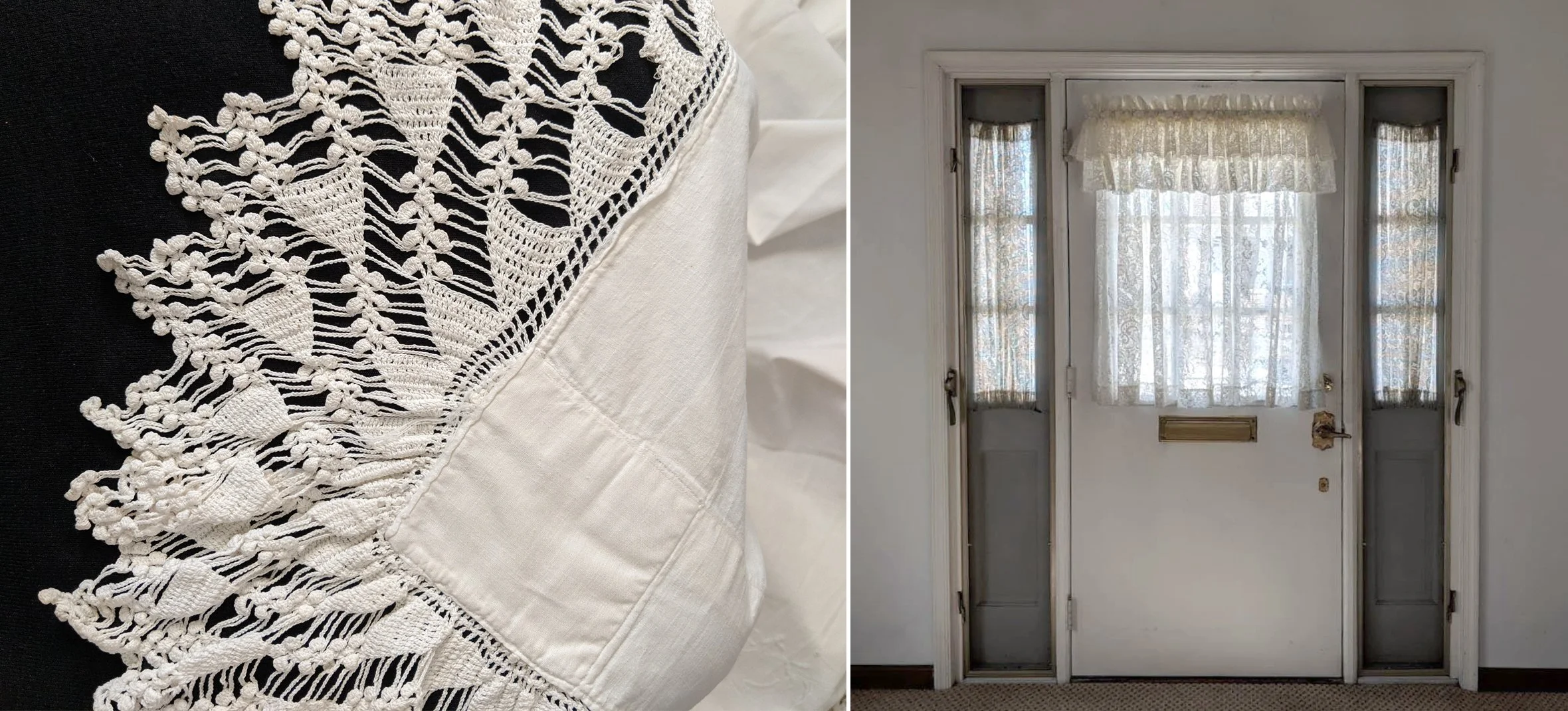
Lace trimmed linen, handmade by my bisnonna for her biancheria, a traditional Italian dowery. Noni’s prized lace curtains from the factory where she worked.
This project is made possible in part by a grant from the Rhode Island State Council on the Arts, through an appropriation by the Rhode Island General Assembly and a grant from the National Endowment for the Arts.